Sewing Machine Parts

A quick, practical rundown of the parts every home sewist should recognize on a machine, from the needle to the tension dial.

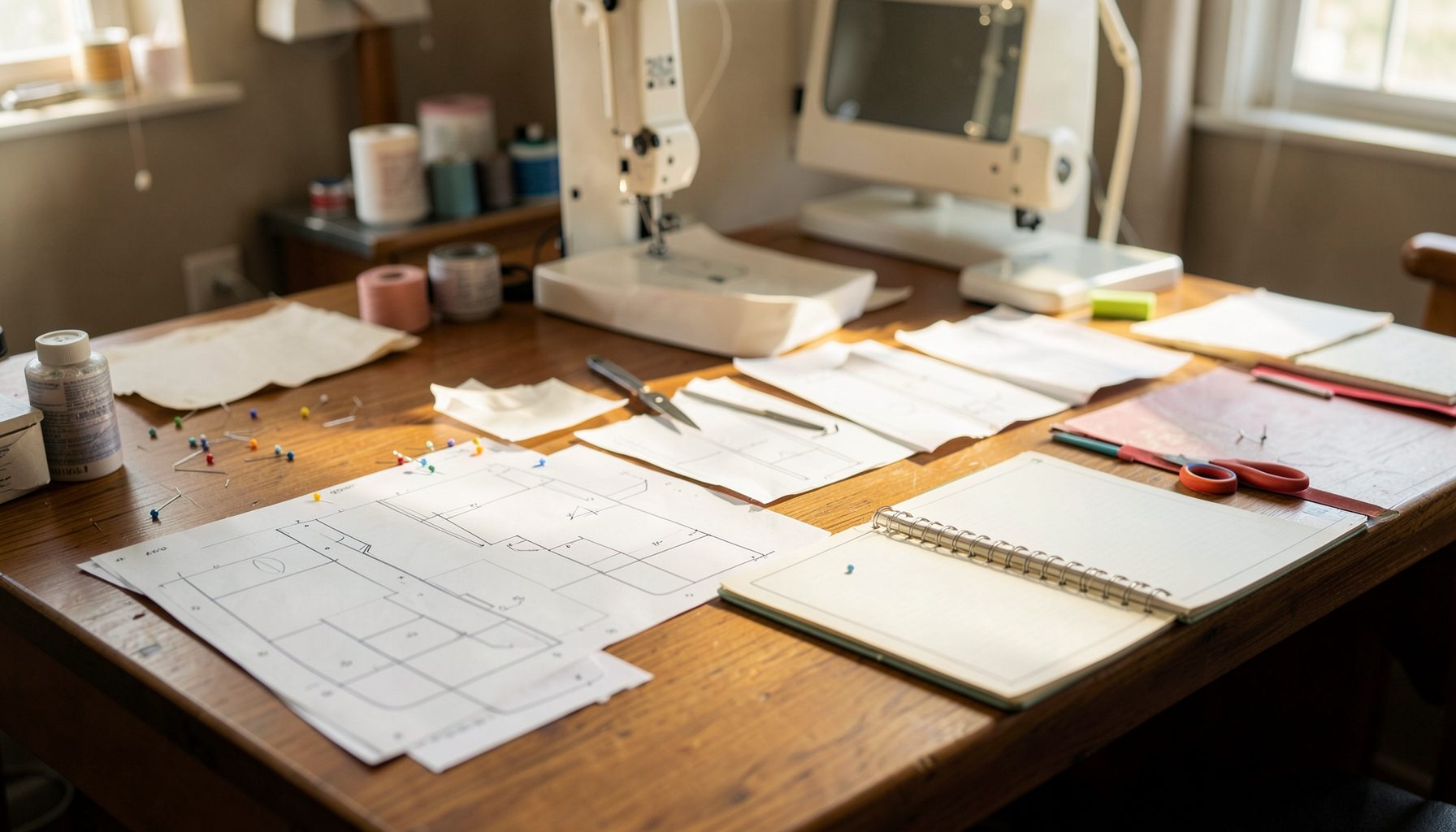
A neatly arranged sewing workspace with pattern pieces, pins, and a notebook on a wooden desk, bathed in warm morning light

Knowing Your Machine

Whether you sew on a treadle, an electric model, or a hand-operated machine, most designs share a common set of parts. Getting familiar with each one makes threading, adjusting tension, and troubleshooting far less frustrating.

Key Parts To Know

PartRole
NeedleCarries thread through the fabric to form stitches.
Needle plateFlat metal surface the needle passes through as fabric feeds beneath it.
Spool pinHolds the thread spool in place while stitching.
Presser footHolds fabric flat and steady against the needle plate.
Hand wheelManually raises or lowers the needle.
Stitch dialSelects the stitch type or length.
Thread tension dialAdjusts how tightly thread is pulled during stitching.
Tension discWorks with the tension dial to guide thread evenly.
Power switchTurns an electric machine on or off.

The spool pin and needle bar work together with the tension system to keep stitches even, while the presser foot and needle plate keep fabric moving smoothly. Understanding how these pieces interact helps with everything from basic seams to more detailed projects.

These fundamentals apply broadly across treadle, electric, and hand-operated machines, even though styling and controls vary by model.

Once you're comfortable with your machine, pairing it with a few hand stitch basics rounds out a solid sewing toolkit.

Denim is a winter wardrobe staple for good reason. Its sturdy cotton weave provides excellent insulation against cold winds, making it a practical choice for the season. Many people reach for their favorite denim jeans when temperatures drop, pairing them with cozy sweaters and boots. The fabric's versatility means it works just as well for casual outings as it does for dressed-up occasions. Darker washes tend to dominate winter months, offering a sleek look that transitions easily from day to night. Denim also layers beautifully under coats or over thermals, allowing you to stay warm without sacrificing style. With proper care, quality denim pieces can last for many winters, making them a smart investment for any wardrobe.

When sewing with denim during winter, choosing the right tools and techniques makes all the difference. A heavy-duty needle is essential for piercing through multiple layers of thick fabric, especially when constructing hems or seams. The tension dial on your sewing machine may need adjustment to handle the weight of denim smoothly. Using a longer stitch length helps prevent puckering and creates a professional finish. Denim's tendency to fray can be managed with a zigzag stitch or by finishing raw edges with a serger. Pressing seams with a hot iron and a bit of steam helps set the stitches and gives a crisp appearance. Taking time to prepare your machine properly leads to better results and less frustration.

Beyond blue jeans, there are many creative ways to incorporate denim into winter sewing projects. A denim jacket lined with soft flannel or faux fur becomes a warm and stylish outer layer. Denim skirts paired with thick tights offer a feminine alternative to trousers. Home decor items like throw pillows or table runners made from recycled denim add a rustic touch to winter interiors. The fabric's durability makes it ideal for bags, aprons, and other accessories that see heavy use. Mixing denim with contrasting fabrics such as corduroy, wool, or velvet creates interesting textural combinations. These projects are satisfying to make and often result in unique, long-lasting pieces that stand out from store-bought alternatives.

Caring for denim garments during winter helps them maintain their shape and color. Washing denim inside out in cold water protects the dye from fading and reduces wear on the surface. Air drying is gentler than machine drying and prevents shrinkage, which is especially important for well-fitted jeans. When storing denim for the season, keep it in a cool, dry place away from direct sunlight to avoid discoloration. Minor repairs like fixing a loose button or mending a small tear should be done promptly to prevent further damage. With thoughtful maintenance, your favorite denim pieces will continue to look great and perform well through many winter seasons, saving you money and reducing waste.