What makes jacquard special
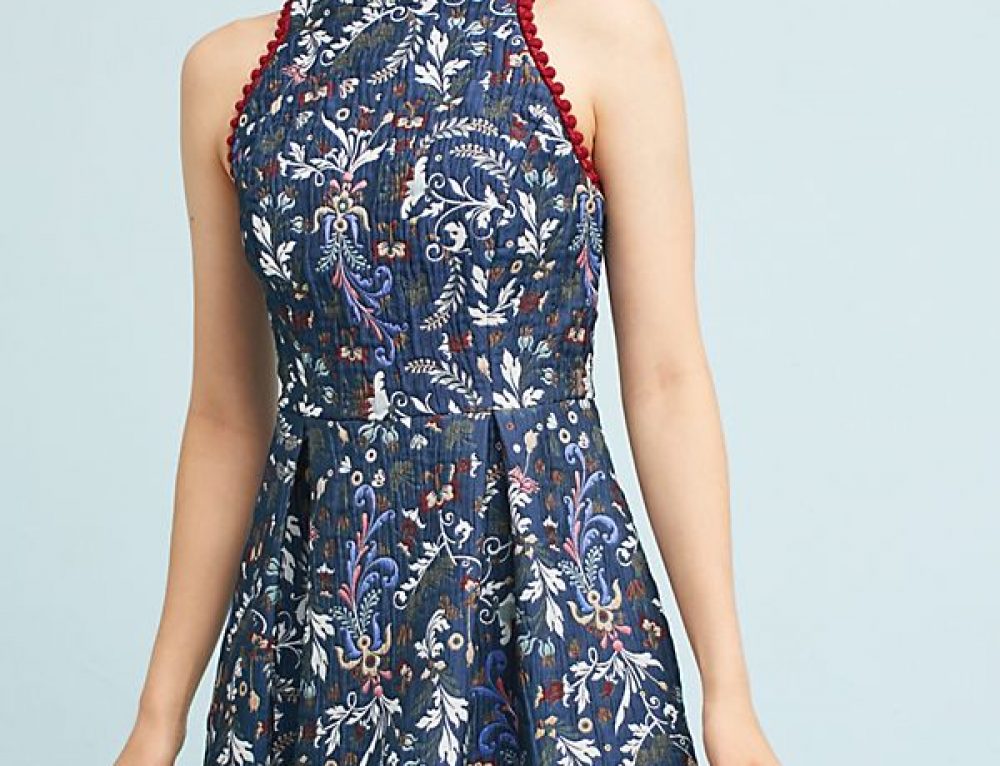
Jacquard is fabric best known for its unique woven raised patterns. Unlike printed fabrics where the design sits on the surface, jacquard patterns are woven directly into the cloth — the motif and the fabric are one and the same. This gives jacquard a texture and depth that printed fabrics can't match, making it a favourite for everything from evening wear to upholstery.
How the jacquard loom works
The defining feature of jacquard weaving is the loom process itself. On a jacquard loom, each warp thread is raised independently, giving the weaver precise control over which threads appear on the surface at any moment. This allows for intricate, multi-coloured patterns that would be impossible on a standard loom. The technique traces back to the early 19th century and the invention of the Jacquard mechanism — a breakthrough that paved the way for modern programmable machinery.
Common types of jacquard fabric
Jacquard isn't a single fabric — it's a weaving method that produces several distinct types. Here are some you're likely to come across:
- Brocade: A richly decorative shuttle-woven fabric, often with metallic threads and elaborate floral or figured designs. Historically associated with formalwear and furnishings.
- Damask: A reversible figured fabric where the pattern appears in a contrasting sheen against the matte ground. Commonly used for table linens, curtains, and elegant apparel.
- Matelassé: A fabric with a quilted or padded appearance, created by the jacquard weave itself rather than stitching. Often used for bedspreads, cushions, and structured garments.
- Cloqué: A jacquard with a distinctly puckered, blistered surface texture, achieved by weaving two layers at different tensions.
Working with jacquard in sewing projects
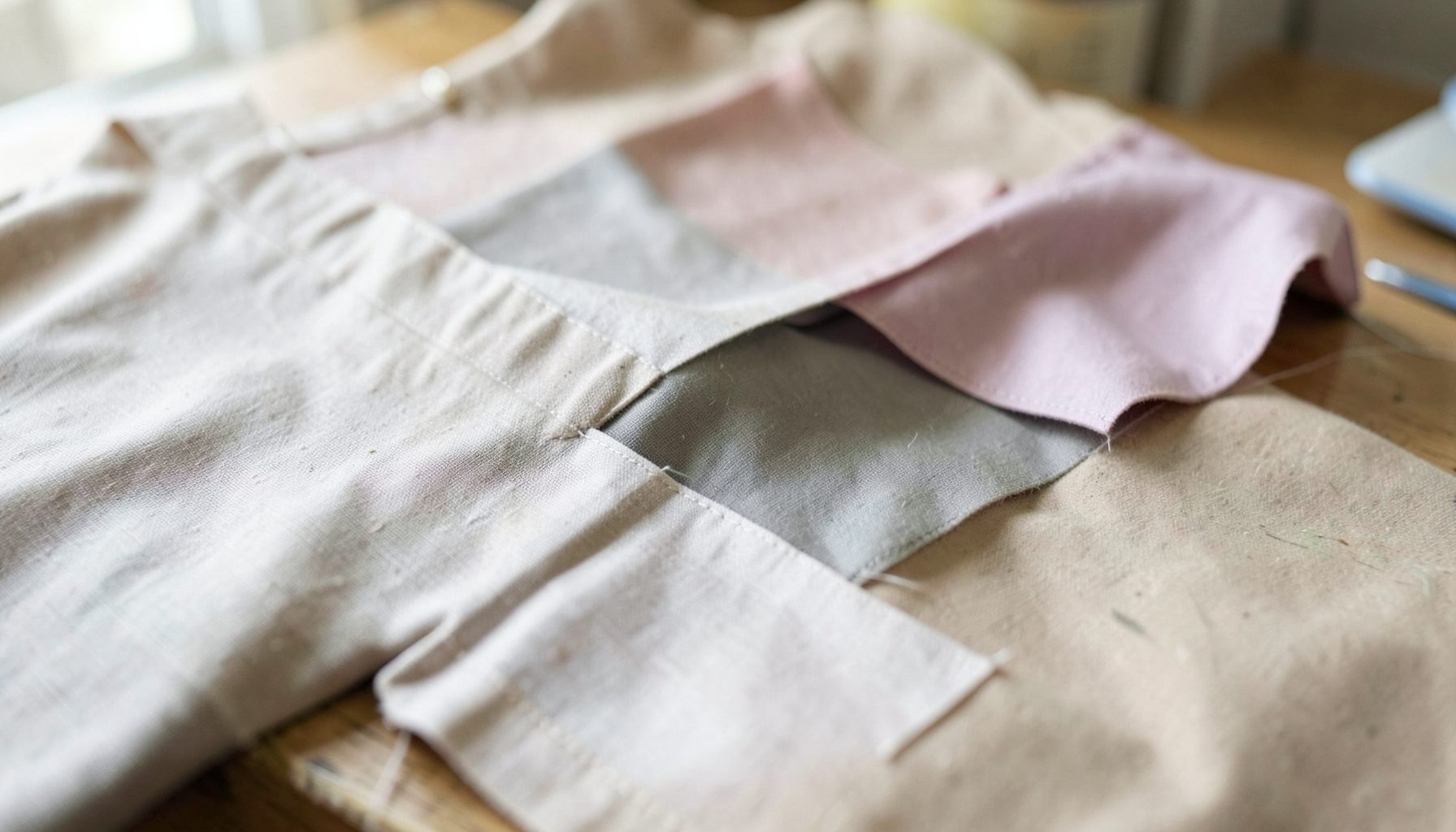
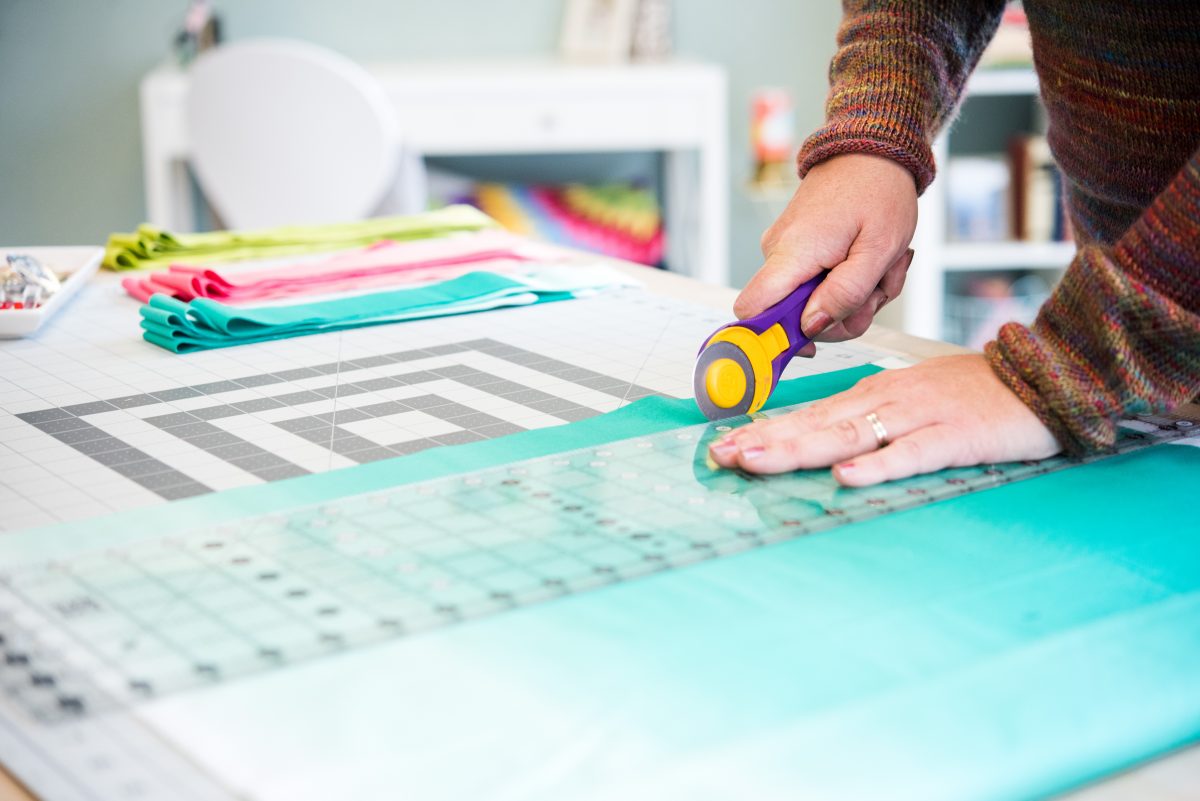
Because jacquard fabrics are woven rather than printed, the pattern runs through the entire cloth. This means you'll want to pay extra attention when cutting pattern pieces — motifs need to be matched across seams for a polished result. Jacquard fabrics also tend to be medium to heavyweight, so they hold structure well in tailored garments like jackets, structured dresses, and skirts. A lining is often recommended to protect the raised pattern from friction and to add comfort against the skin.
Caring for jacquard
Most jacquard fabrics benefit from gentle care. Dry cleaning is often the safest route, especially for brocades with metallic threads. For washable jacquards, use a cool, delicate cycle and avoid wringing — the raised pattern can distort under rough handling. Press on the reverse side with a pressing cloth to preserve the texture.